
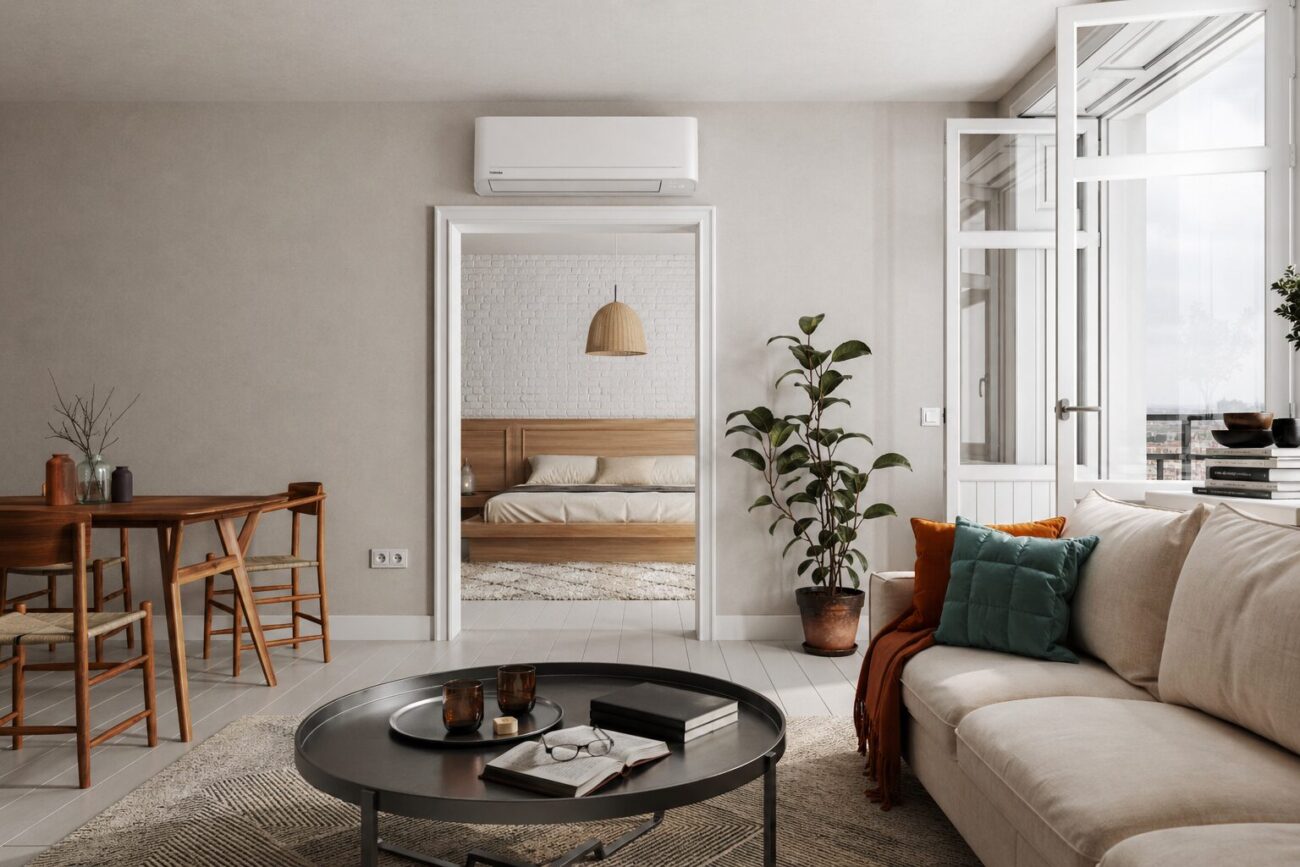
Heat pump placement matters more than you think. The unit’s features are important, but where it sits shapes how evenly warmth or coolness spreads through your home.
A well‑placed heat pump can lift comfort, help the system run more efficiently, and keep indoor temperatures steady all year round.
The right spot depends on your home’s layout, the location of rooms, and whether you’ll use the heat pump mainly for heating, cooling, or both.
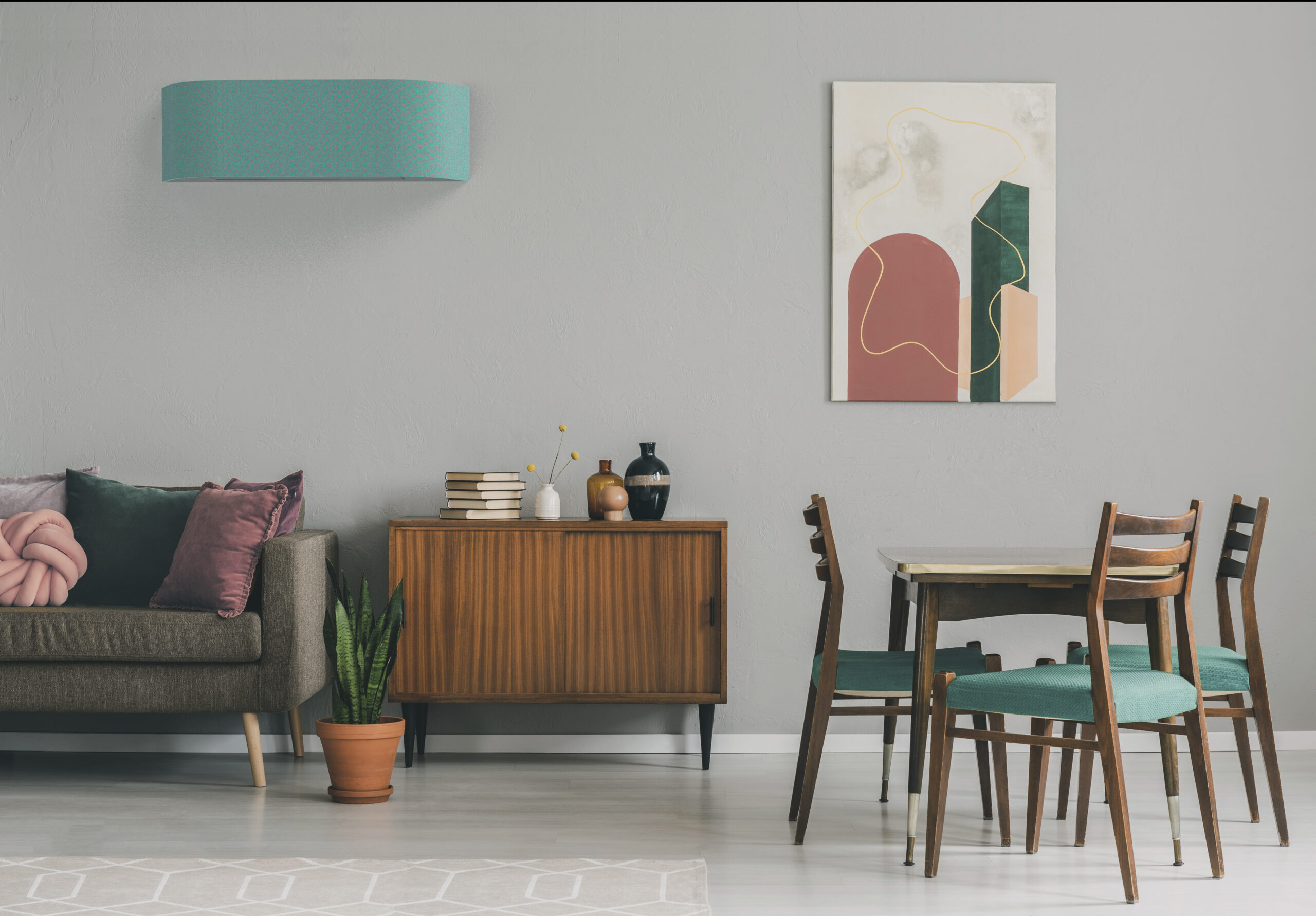
Best place for the indoor unit of an air-to-air heat pump
In most homes the indoor unit works best in an open space where air can circulate freely.
That’s why the indoor unit is often placed in, for example:
- living room
- open-plan kitchen
- hall
- other main living space
The more freely air can move, the more evenly warmth or coolness reaches every room.
Also leave enough clear space around the indoor unit, following the manufacturer’s instructions, so the airflow isn’t blocked.

How your heat pump’s placement affects cooling
When cooling, the aim is to let cool air spread as widely as possible.
If the indoor unit sits where the airflow hits a wall or other obstacle, the cool air often won’t cool the home evenly.
Thoughtful placement helps the cooling work better and keeps your home more comfortable, especially on hot summer days.
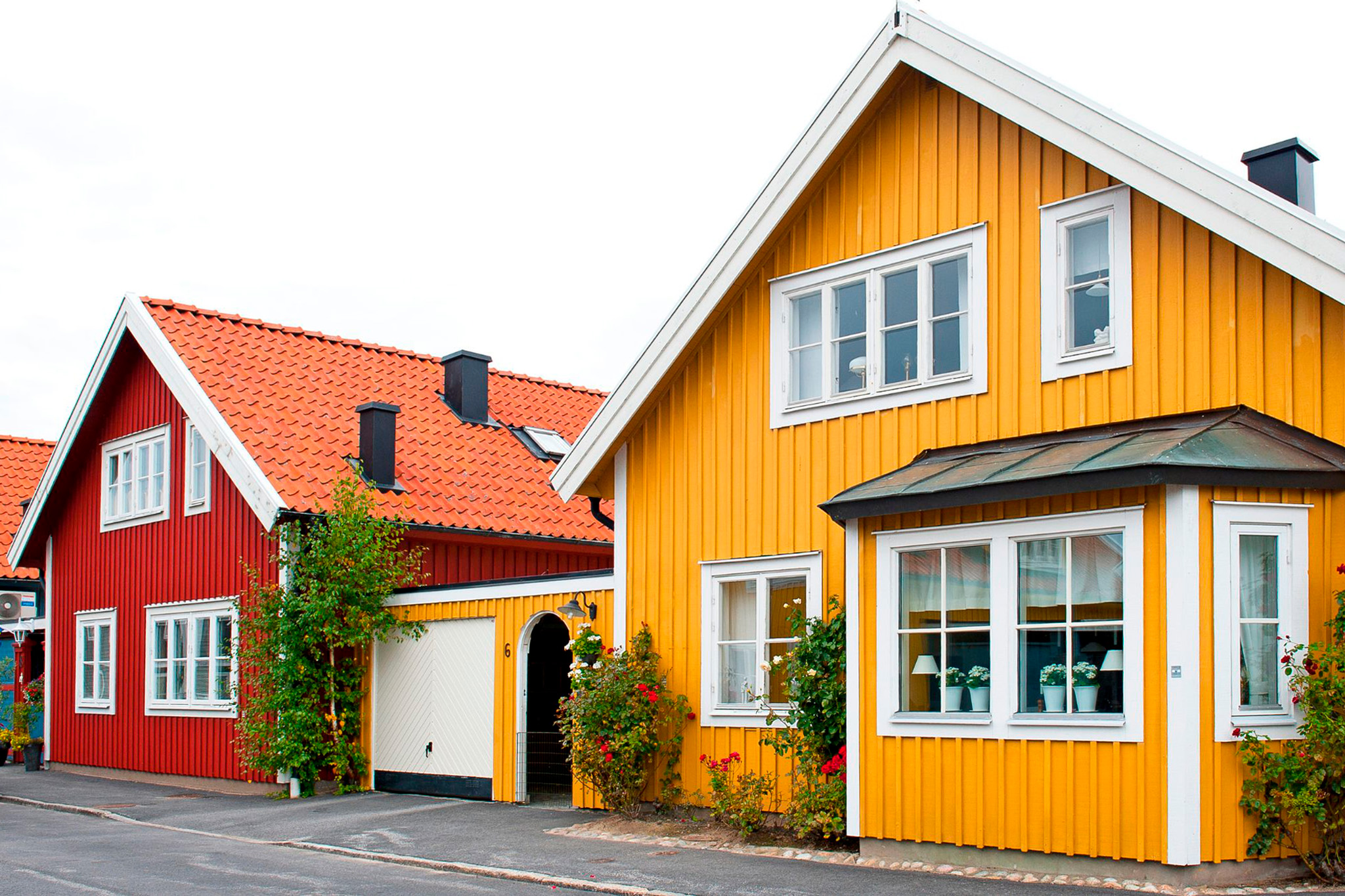
A two-storey home often needs a tailored approach
In a two-storey home, the placement of the heat pump should be planned with care.
One heat pump can serve both floors, but the most even comfort usually comes from two indoor units or a multi‑split setup. That way heating and cooling are distributed more evenly between levels.
If a two-storey home gets only one heat pump, its location depends on whether you’ll use it mainly for heating or for cooling. For heating, the indoor unit is often placed on the ground floor; for cooling, the upper floor is usually the natural choice.
Ultimately the right solution always depends on the home’s layout and which rooms need warmth or cooling the most.

A fireplace and an air-to-air heat pump
If your home has a fireplace, thoughtful placement of the air-to-air unit can help the warmth reach more rooms.
When the indoor unit circulates the fireplace’s warmth to other spaces, heat spreads more evenly through the home. The result is steadier comfort and less need for other heating.
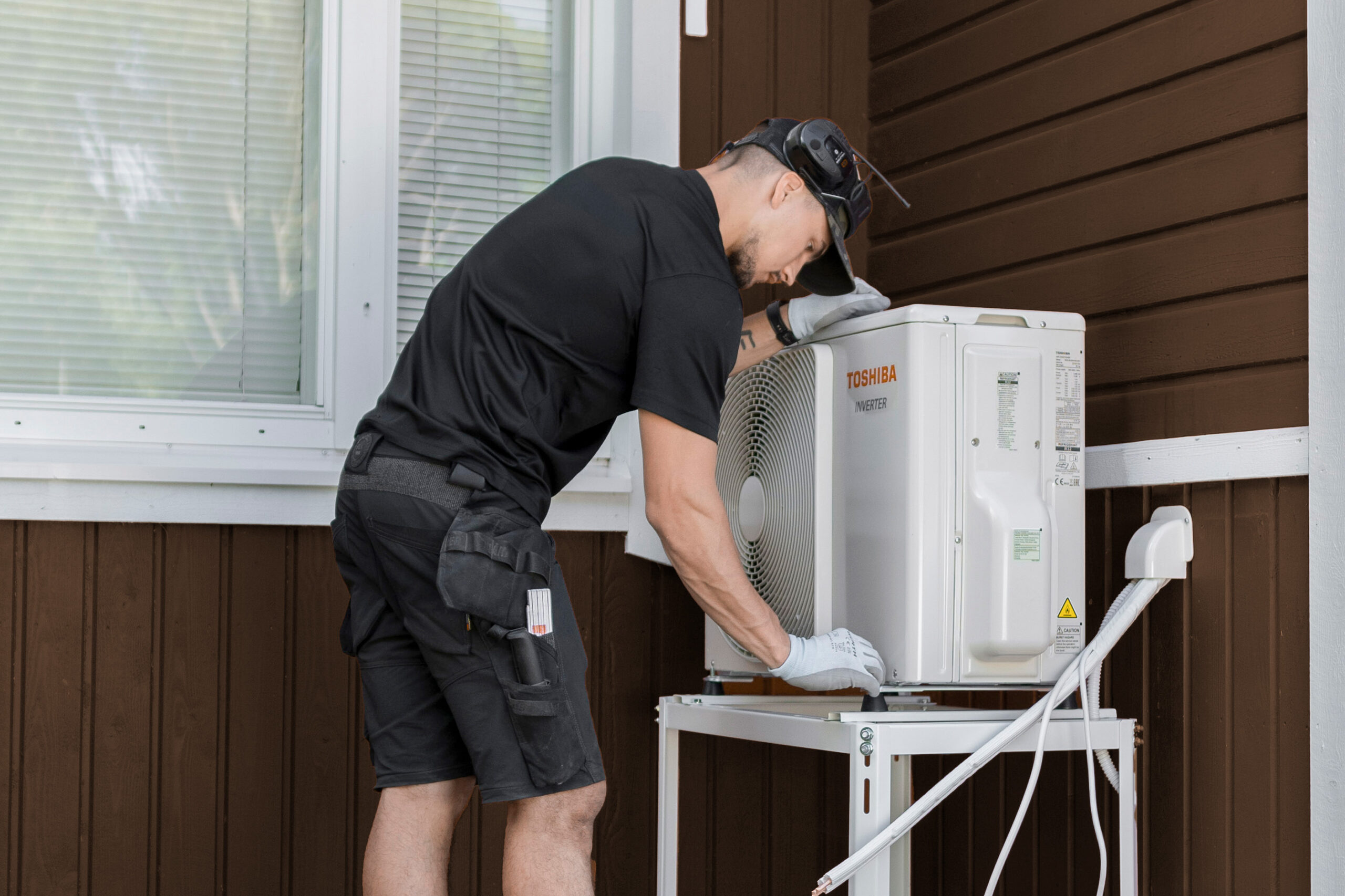
What to consider when placing the outdoor unit?
Free airflow and safe drainage matter most.
When placing, consider:
- removal of melt and condensate water
- air flow from the outdoor unit
- ease of maintenance
- clear access
- the building’s structure
The outdoor unit is usually placed close to the indoor unit so pipe runs stay neat and efficient.
The outdoor unit can be installed either on a wall bracket or on a ground stand, depending on the property. In wooden homes, a ground stand is often the preferred option, as it helps prevent vibrations from being transferred into the building structure.
With Freida, you don’t need to worry about the outdoor unit’s placement.
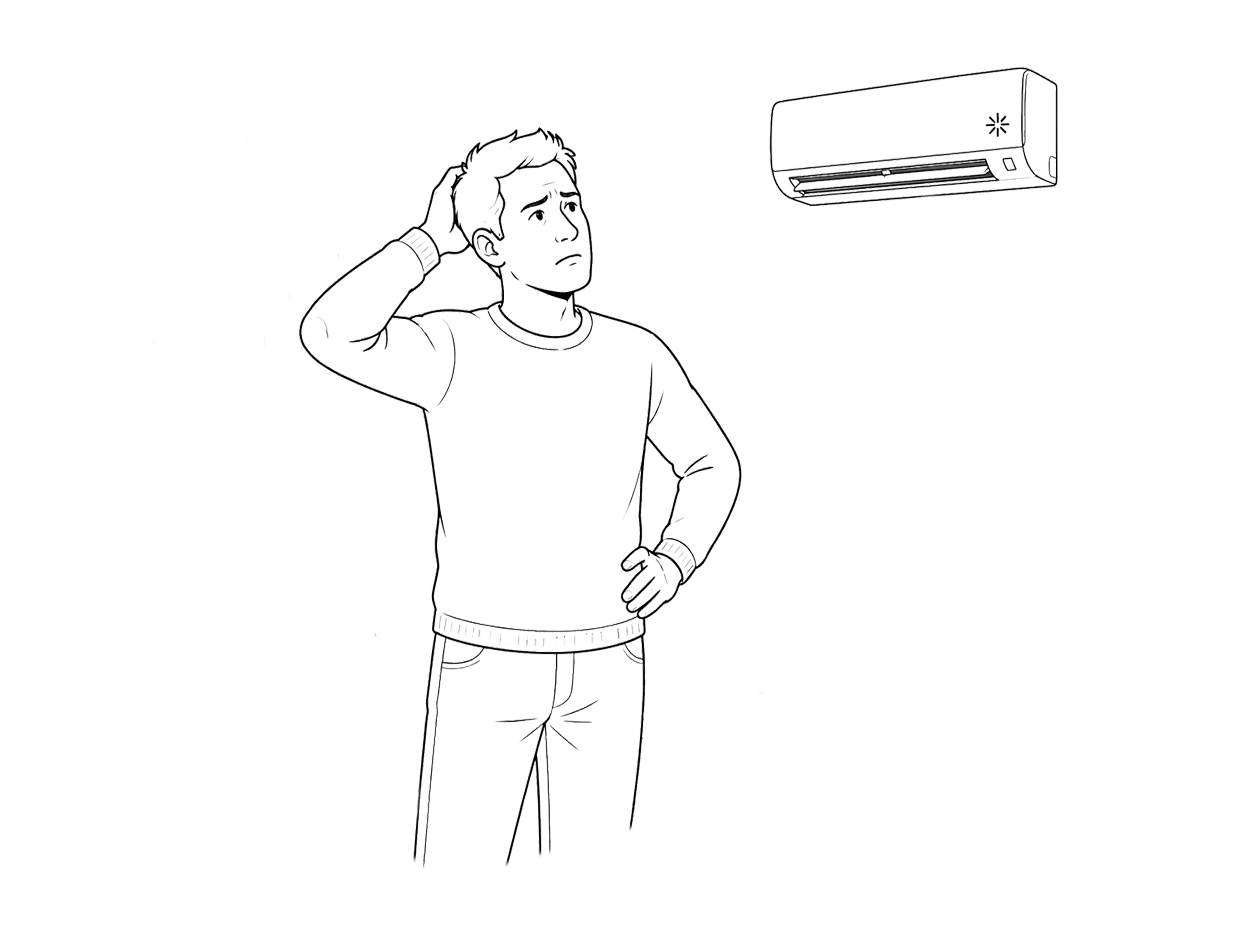
Common mistakes when placing a heat pump
Avoid these mistakes when placing a heat pump:
- Airflow is blocked, for example by a wall or another obstacle
- The indoor unit blows continuously onto the seating area
- There isn’t enough space around the outdoor unit
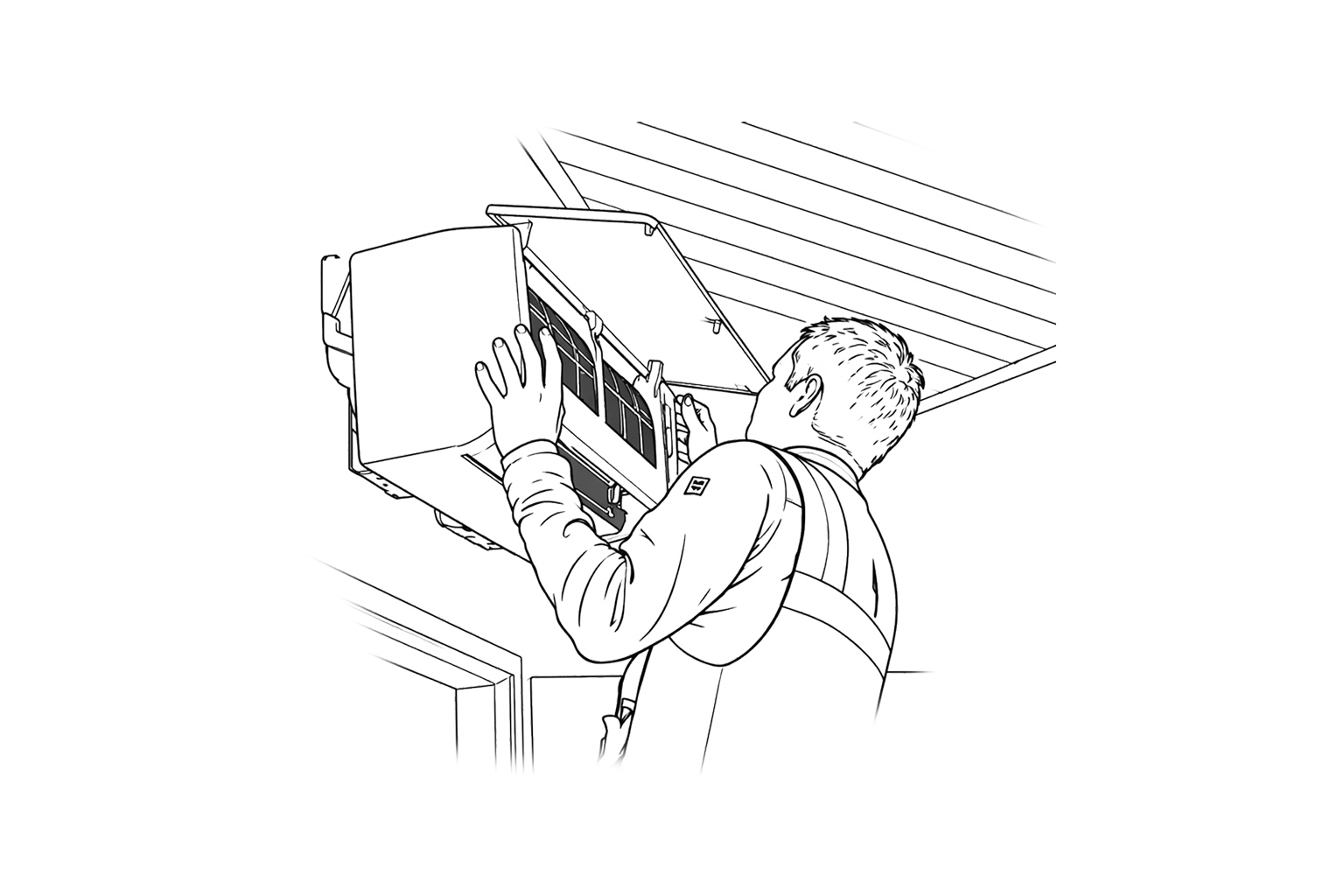
- Cleaning the filters becomes difficult
The placement should be planned as a whole – that way both comfort and energy efficiency work at their best. With Freida, we take everything into account so you don’t have to worry about.
Steady °C. Zero worry.
That’s Nordic Comfort.
Every home is unique
There’s no single right spot for an air-to-air heat pump. The best choice depends on your home’s layout, how you use each room, and how you want warmth or coolness to flow through the space.
At Freida we plan heat pump placement as part of a complete solution. That way the system works in your home – not just on paper.
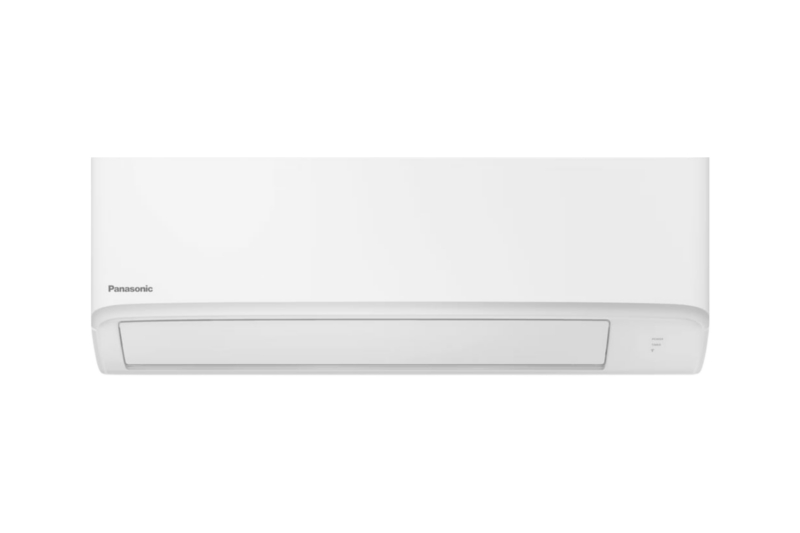
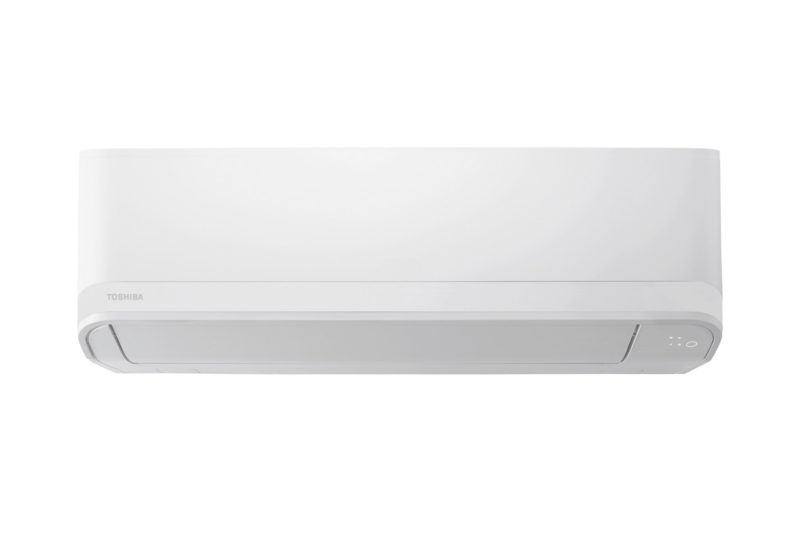
Explore our products
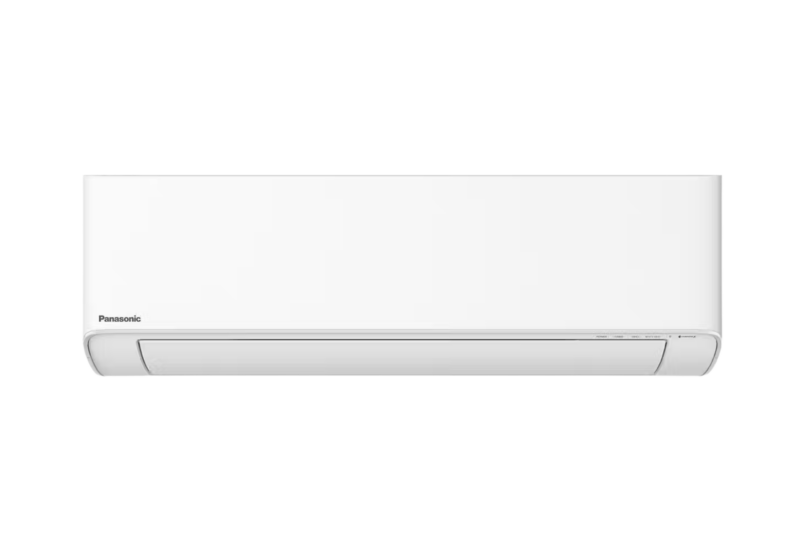
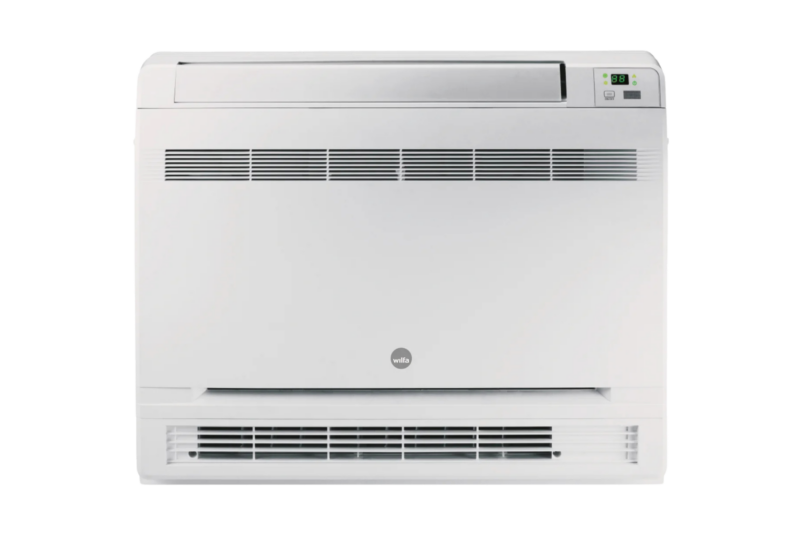
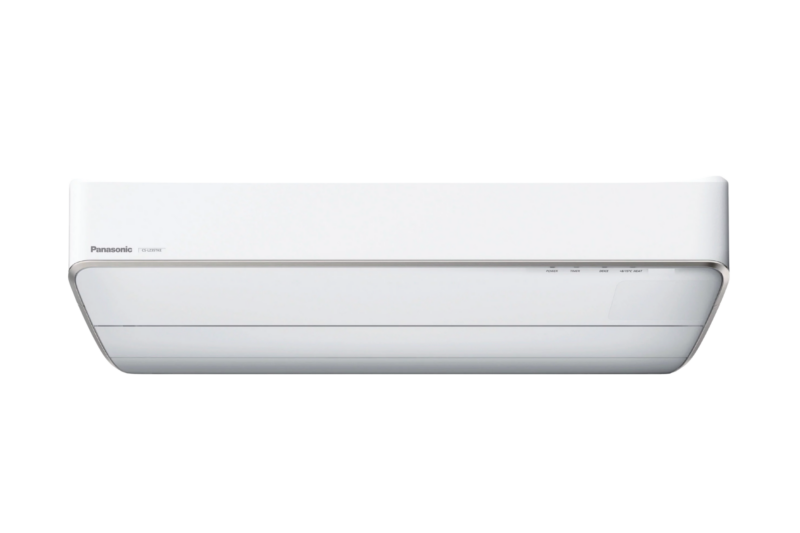

Too many options? Find your heat pump in a minute.
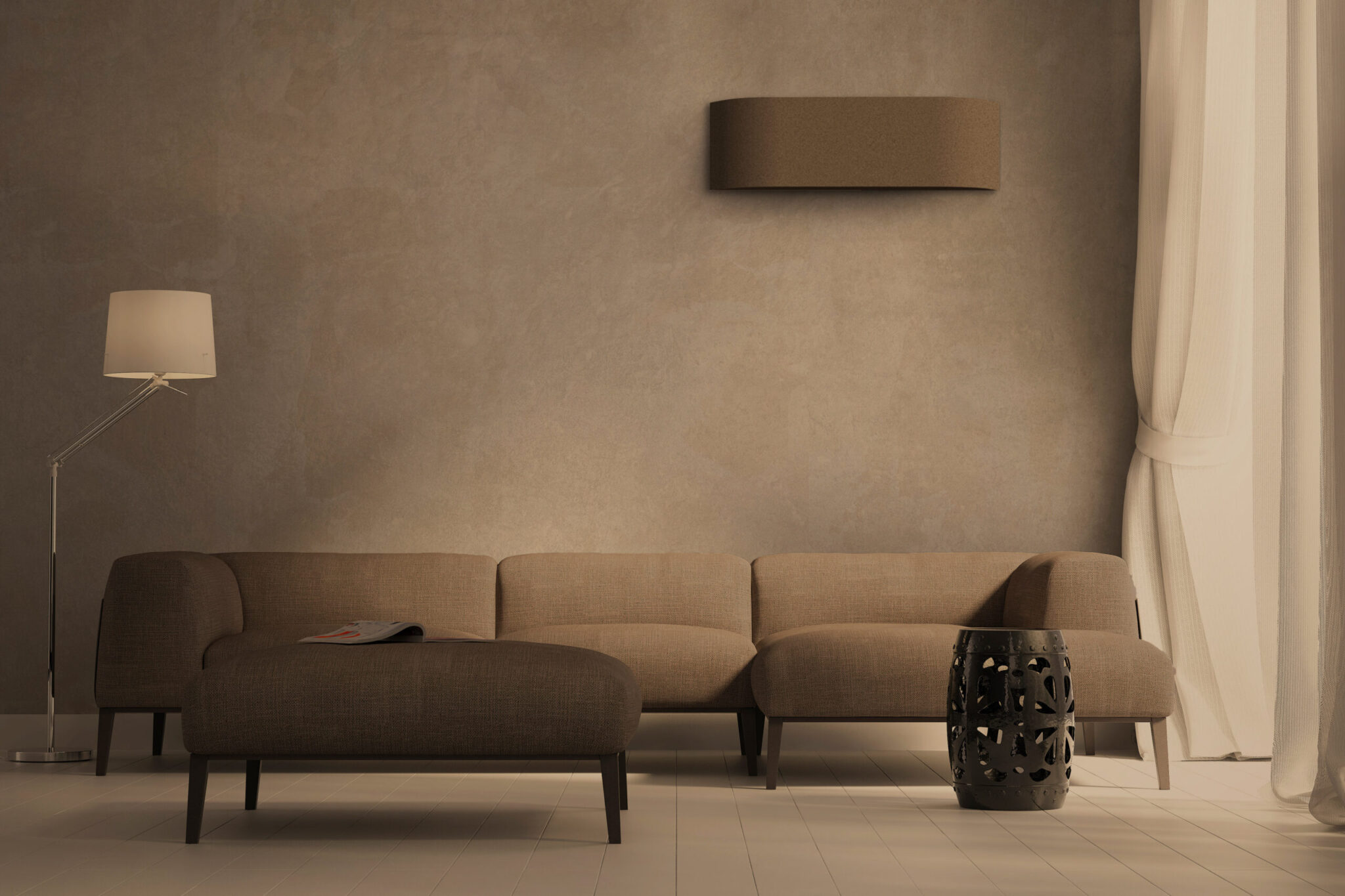
Find your heat pump
You don’t need to know anything about heat pumps.
Tell us about your home, your needs, and your wishes – we’ll take care of the rest.
Try it now – get a recommendation in under a minute.
Frequently asked questions about air-to-air heat pump placement
Yes. However, if the goal is to heat or cool the entire home, a bedroom is rarely the best location.
Air-to-air heat pumps usually perform best in open spaces where air can circulate freely and reach multiple areas of the home.
If the bedroom requires its own temperature control, a separate indoor unit is often the best solution.
We generally avoid that. Modern air-to-air units guide the airflow well, but constant blowing over seating can make the room less comfortable.
Often the most even comfort comes from two indoor units or a multi-split system. If you have only one unit, place it based on whether you mainly need heating or cooling.
A cooling-only unit upstairs and a heating-focused unit downstairs can also be a practical approach.
A stairwell can work in some homes, but it always depends on the layout. Also consider how easy the unit is to service and how simple it is to clean the filters.
Yes. There are protective covers that help the outdoor unit blend with the building.
The cover must never block airflow, though … that can reduce the unit’s performance, or be a safety risk.
That is why Freida only recommends covers and enclosures designed specifically for air-to-air heat pumps.
Manufacturers recommend leaving free space around the indoor unit to ensure proper airflow and maintenance access. The exact clearances vary by model, but in most cases you should leave at least a few centimetres of space above the unit.
An air-to-air heat pump must always be installed by a licensed professional.